





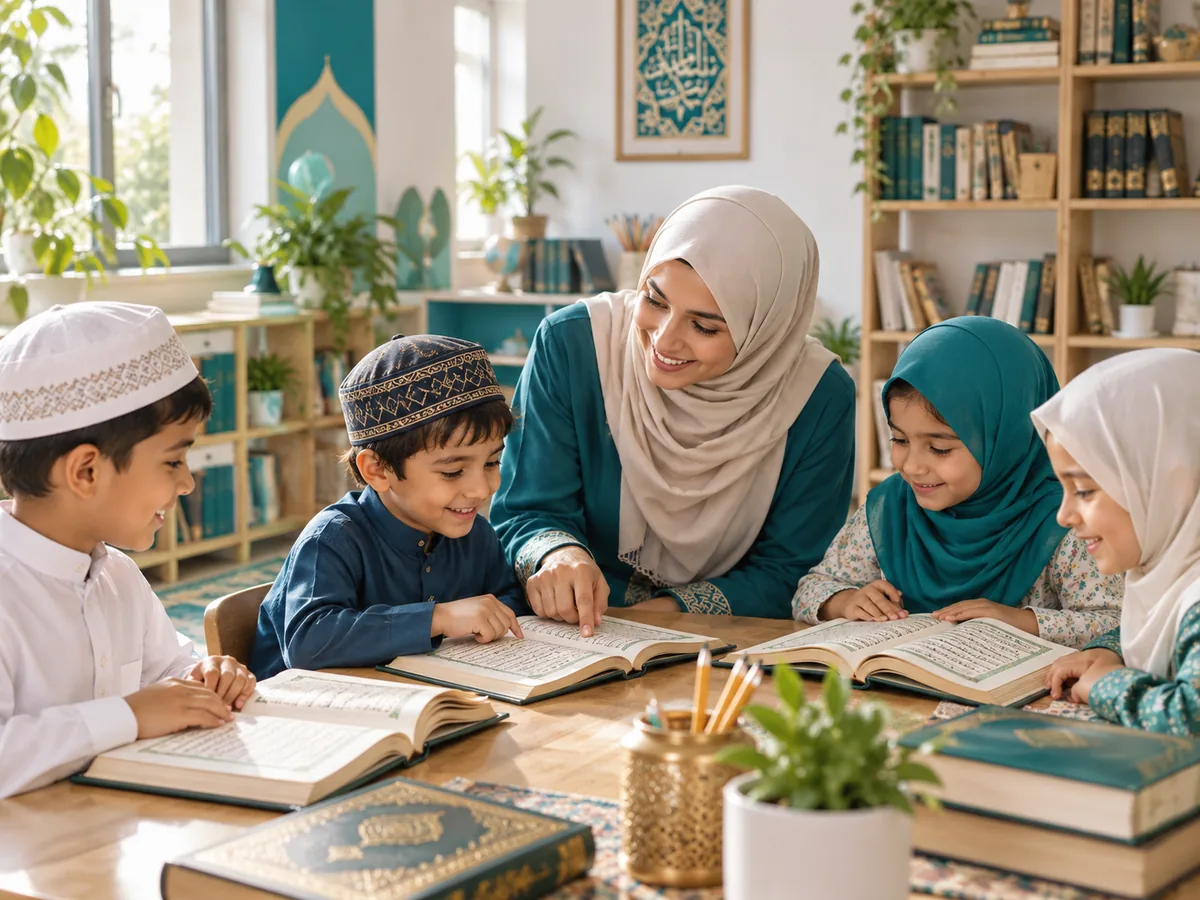
Stories of the Prophets can teach children Islamic values powerfully when the story remains faithful to reliable sources and the lesson is connected to real behaviour. The aim is not simply to entertain or to collect dramatic details. A good lesson helps the child understand what happened, notice a value and practise that value in daily life.
Keep the story anchored to reliable sources
Begin with the Quran and sound, well-established material. Avoid filling gaps with invented conversations, exaggerated scenes or details that are popular but unsupported. If a detail is uncertain, it does not need to be included for the story to be meaningful.
This is especially important with children because memorable invented details can later be mistaken for religious knowledge.
Choose one value instead of ten
A single story may contain lessons about patience, trust, courage, gratitude and repentance. For a young learner, choose one or two. Ask: what did the Prophet do, what value does that show, and what might that look like in our home or school today?
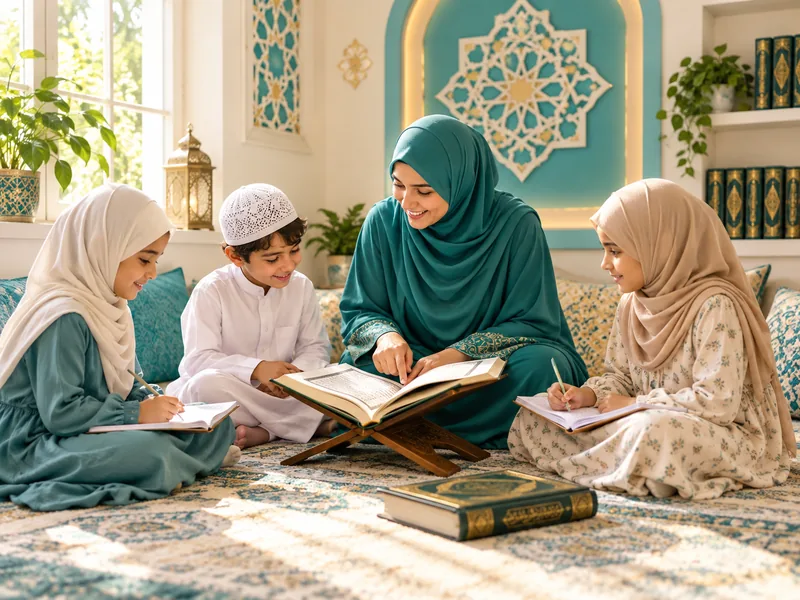
Quran Garden’s Stories of the Prophets uses the stories as a route into understanding and character, not only as a sequence of events.
Let the child retell before you explain
After the story, ask the child to retell the main events in their own words. This reveals what they understood and what they missed. Then ask one open question such as, ‘What do you think was difficult in this situation?’ rather than immediately giving a long moral lecture.
Connect the lesson to a small action
If the value is patience, choose one situation where the child can practise waiting calmly. If it is honesty, discuss a realistic choice they might face. The action should be small enough to remember during the week.
The Little Muslims programme and the broader Children’s Quran & Islamic Foundations Curriculum place these values alongside worship, manners and Quran learning.
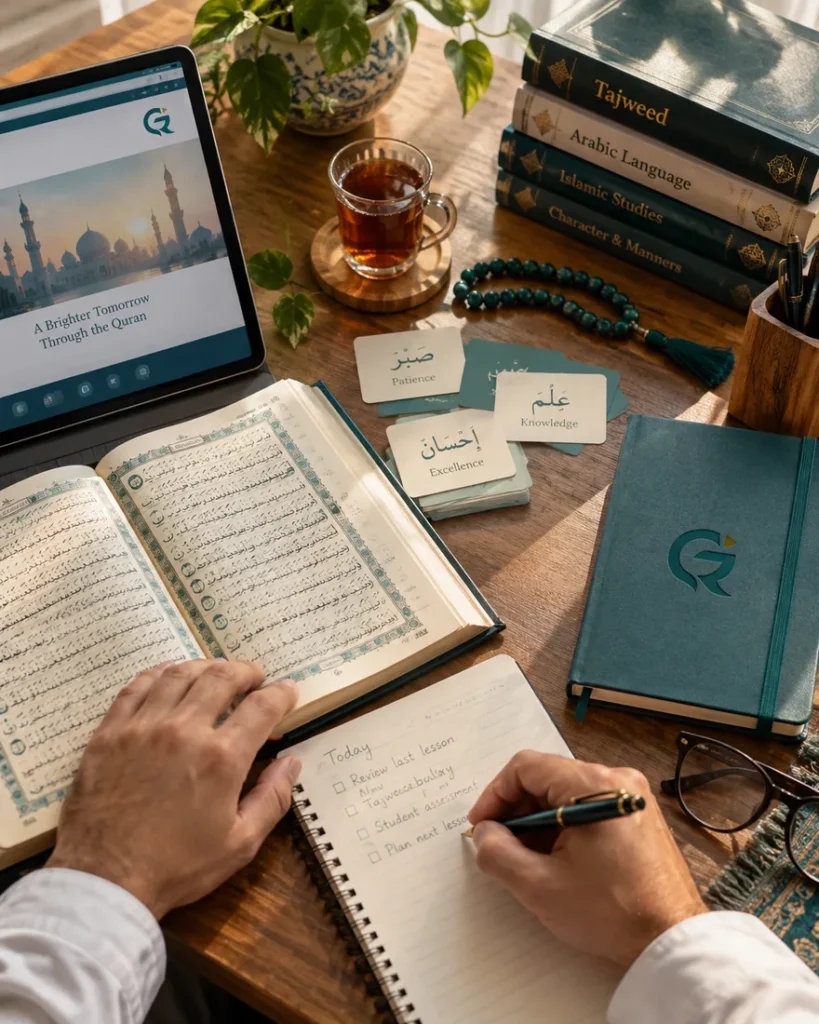
Avoid portraying Prophets visually
When using books, slides or generated visuals, do not depict the Prophets themselves. Use settings, objects, landscapes, maps or symbolic elements that support the lesson without turning sacred figures into invented portraits.
Return to the story later
A story becomes educational when the child can recall its value in another situation. A few days later, ask: ‘Which story could help us here?’ Repetition in a new context turns a memorable narrative into a practical moral reference.
The best Prophet-story lessons are accurate, focused and connected to action. Children do not need extra drama; they need trustworthy stories that help them recognise Islamic values in real life.